

Sperm whales are fascinating creatures that still hold many secrets. These enormous marine mammals are the loudest animals on Earth, and their lives in the dark depths of the ocean remain largely unknown. Thanks to technology developed by the Monterey Bay Aquarium Research Institute (MBARI), scientists have gained a new tool to study these mysterious animals.
Sperm Whale Vocalizations — How Sounds Reveal the Lives of Whales
Sperm whales (Physeter macrocephalus) produce powerful clicks that help them locate prey in the dark, deep ocean. These sounds carry rich information about their behavior, age, and sex. Dr. William Oestreich, a postdoctoral researcher at MBARI, led the research that brought new insights into these remarkable animals.
Warto przeczytać:
For seven years, acoustic data were collected from the Monterey Bay National Marine Sanctuary. Analysis revealed that sperm whales are more common off the California coast than previously thought, and that their presence in the Monterey Bay region is seasonal.
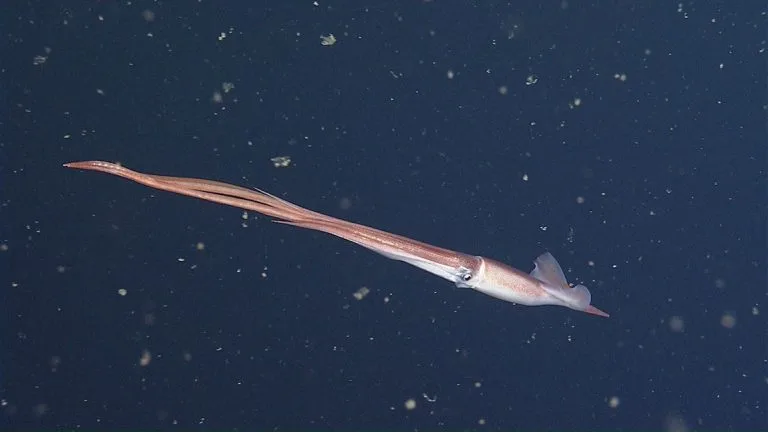
Photo: MBARI
Algorithms and Acoustic Technologies Offer a New View of Sperm Whales
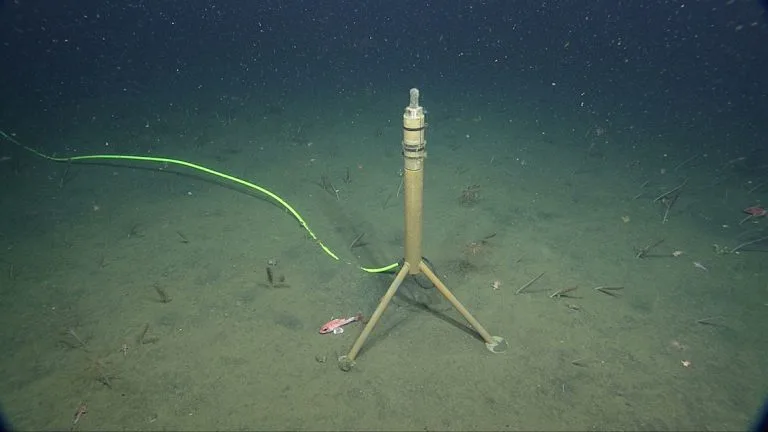
Photo: © 2016 MBARI
Scientists at MBARI developed an algorithm to detect characteristic sperm whale vocalizations within acoustic datasets recorded by the deep‑sea hydrophone. Acoustic detection revealed that sperm whale vocalizations off the California coast peak in winter. This contrasts with the summer peak in sperm whale vocalizations previously reported by researchers in the Gulf of Alaska.

Photo: William Oestreich © 2024 MBARI; bathymetry NOAA National Centers for Environmental Information
The hydrophone—a submerged microphone—at the observatory records round‑the‑clock acoustic data from the heart of the Monterey Sanctuary.
“To see a sperm whale or its distinctive sideways blow, we need to be nearby on a boat. But underwater, we can hear the unique echolocation sound of a sperm whale from up to 100 miles away,” explained oceanographer John Ryan, who leads the Ocean Soundscape Team at MBARI and is a co‑author of the recent study.
“Because sound travels so powerfully underwater, listening greatly extends the reach of our senses. This range enabled our first key discovery—that sperm whales, which are rarely seen in Monterey Bay, are a constant part of the region’s rich biodiversity.”
Seasonal Migrations and Sperm Whale Behavior
Najczęściej czytane:


To understand the behaviors underlying seasonal patterns in sperm whale vocalizations, MBARI researchers and collaborators compared seven years of acoustic detections with state‑of‑the‑art simulations that incorporate data on well‑studied movement strategies of other vertebrate species. The team determined that acoustic patterns detected in different regions of the northeastern Pacific likely represent seasonal migratory movements. Previously, sperm whales were thought to be wandering nomads that opportunistically encountered food.
Sperm Whale Seasonality and Deep‑Sea Ecosystems
Sperm whale seasonality aligns with the latitude of the North Pacific Transition Zone (NPTZ). The NPTZ forms where cool subpolar waters meet warmer subtropical waters, creating a region that supports many marine species. The NPTZ shifts seasonally—moving farther south in winter and farther north in summer—mirroring the movements of sperm whales.
Biological Connections Between the Surface and the Deep Sea
Seasonal peaks in sperm whale vocalizations are not as pronounced as those of surface‑dwelling migratory animals such as blue whales (Balaenoptera musculus). Without light and wind, deep‑sea processes were historically considered static throughout the year. However, biological connections link the surface to the deep ocean. The rain of organic matter that feeds deep‑sea animals and ecosystems varies with the seasons and with annual blooms of surface productivity that sink to greater depths.
Zobacz także:
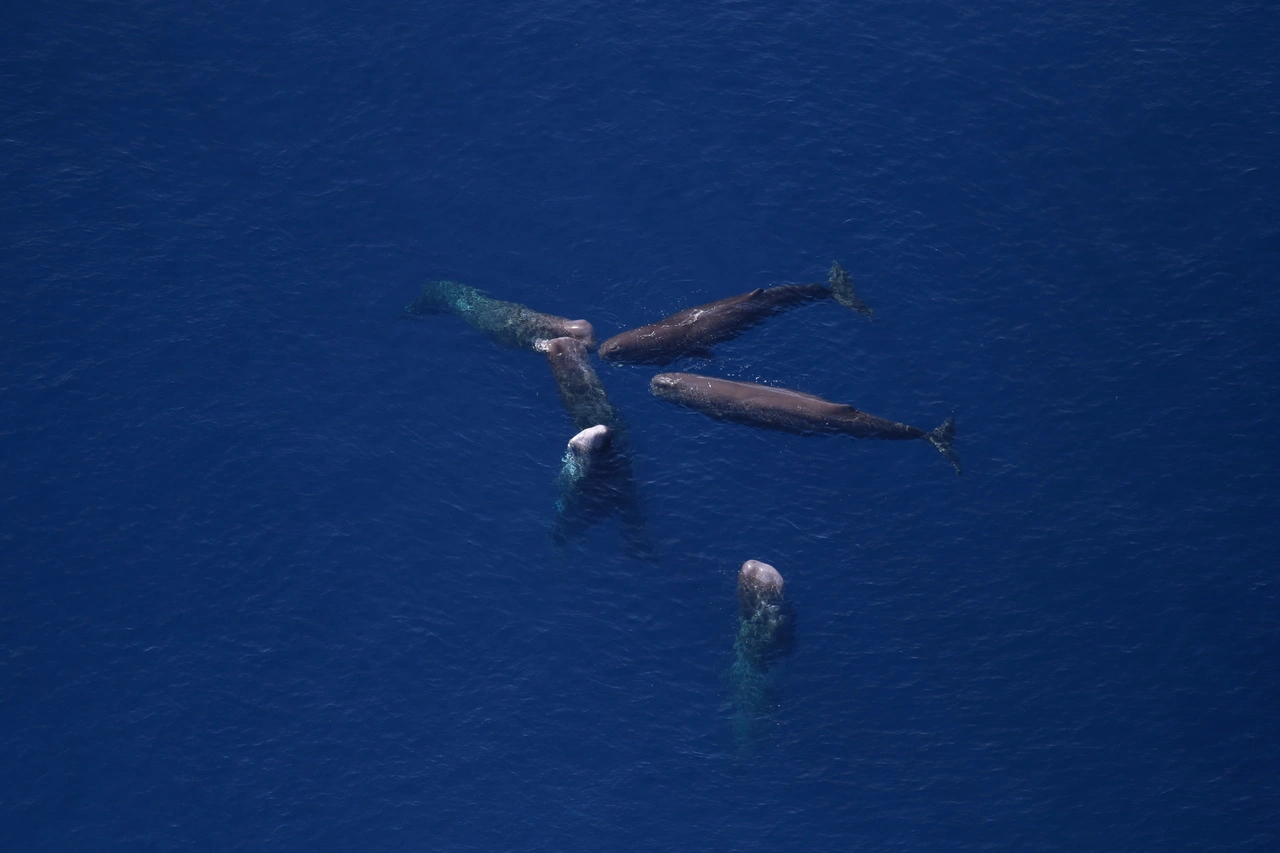
Photo: Tim Cole / NOAA
The Importance of Acoustic Data
New MBARI research on sperm whales provides the strongest evidence to date that this major deep‑sea predator undergoes seasonal migrations. The more subtle migration signal of sperm whales reflects the generally muted seasonality of the deep sea. Studying the deep ocean is challenging, but we know that animals living there play a critical role in the health of the planet. Whales store carbon in their bodies and transport nutrients deep into the water column, playing an important role in marine food webs and carbon transport.
Conclusions and the Significance of the Findings
By listening to one of the largest predators of the deep ocean, we can learn about broader patterns in deep‑sea ecosystems,” said senior scientist Kelly Benoit‑Bird, who leads the Acoustical Ocean Ecology Team at MBARI and co‑authored the recent sperm whale study. These findings may also help policymakers implement conservation measures for these threatened ocean giants and the environments they depend on.
“To manage interactions between humans and wildlife, we first need to understand where animals are and what they are doing. This study represents that important first step—deciphering the mysteries of this elusive ocean predator and helping to inform responsible management,” said Oestreich.
Now, by analyzing hundreds of terabytes of acoustic data, scientists can better understand these magnificent creatures and their crucial role in the ocean ecosystem.
Źródło:movementecologyjournal.biomedcentral.com
Magazyn BlueLife
Spodobał Ci się artykuł? Wesprzyj naszą dalszą pracę.
Inwestuj w wolne media, które szanują Twoją prywatność.